You Won’t Believe What I Found Shopping in the Serengeti
Imagine browsing vibrant markets under an endless African sky, where every handmade bead tells a story. I never expected shopping in the Serengeti to be this alive—full of color, culture, and unexpected treasures. It’s not just about souvenirs; it’s about connecting with local artisans and bringing home pieces of authentic Maasai heritage. This is shopping with soul. Far beyond the sweeping savannahs and thundering wildebeest migrations, there lies a quieter but equally powerful rhythm: the pulse of human creativity. In small villages and roadside stalls near Tanzania’s most iconic national park, craftsmanship thrives, sustained by generations of tradition and the growing presence of mindful travelers who seek more than photos—they seek meaning.
The Heartbeat of Local Markets: Where Culture Meets Craft
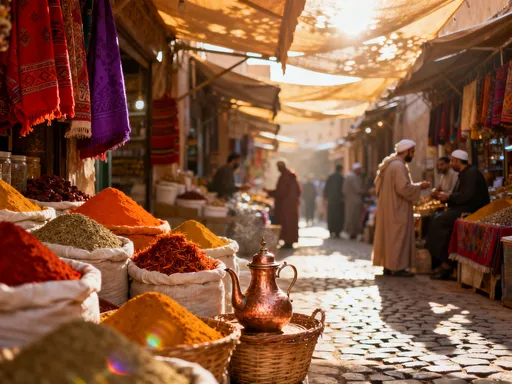
Nestled just beyond the borders of Serengeti National Park, local markets pulse with life, color, and the quiet dignity of handmade tradition. These are not tourist bazaars filled with imported trinkets, but living spaces where culture is exchanged as naturally as greetings at dawn. Visitors who step off the safari trail and into these community hubs often find themselves immersed in a world where every object has purpose and provenance. Handwoven baskets from sisal fibers, intricately beaded necklaces in bold geometric patterns, and hand-dyed cotton garments known as kanga or kitenge—each item is more than decoration. It is an expression of identity, history, and resilience.
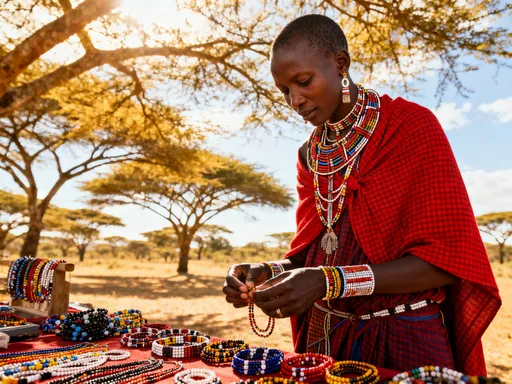
Many of these markets are run by women’s cooperatives, particularly among the Maasai people, whose deep-rooted craftsmanship has long been a cornerstone of East African cultural heritage. In villages like Mto wa Mbu or near the Ngorongoro Conservation Area, groups of Maasai women gather in shaded clearings or small open-air stalls, arranging their wares with pride. Their beadwork, especially, is renowned—not only for its visual brilliance but for its storytelling power. Each color carries symbolic meaning: red for bravery and unity, white for purity and health, blue for energy and the sky, green for land and prosperity. When you hold a beaded bracelet, you’re not just holding adornment—you’re holding language.
These markets do more than display artistry; they sustain livelihoods. For many families in rural Tanzania, income from craft sales supplements subsistence farming and education costs for children. By choosing to buy directly from these artisans, travelers contribute to a cycle of empowerment that respects both economic need and cultural integrity. Unlike mass-produced souvenirs found in airport shops, these items carry the warmth of human hands and the assurance that your purchase supports real people, not distant factories. The market, then, becomes a bridge—one that connects continents, histories, and hearts through the simple act of exchange.
Must-See Shopping Experiences Around the Serengeti
For travelers exploring the vast Serengeti ecosystem, shopping opportunities are woven naturally into the journey. From lodge gift shops to spontaneous roadside encounters, the region offers diverse ways to engage with local craftsmanship. One of the most rewarding experiences is visiting ethical boutiques attached to eco-lodges or conservation-focused camps. These curated spaces often partner directly with nearby artisan groups, ensuring fair wages and traceable sourcing. Here, you’ll find high-quality beadwork, hand-carved wooden sculptures, and textiles that reflect both traditional design and contemporary sensibility—all without the pressure of aggressive sales tactics.
Roadside stalls along the routes between Arusha and the Serengeti entrances also offer authentic finds. Drivers often pause at designated stops where vendors display their crafts on colorful cloths spread over the red earth. While these interactions are brief, they can be deeply meaningful. A traveler might purchase a small beaded keychain from a young Maasai woman, exchanging smiles and simple Swahili greetings. These fleeting moments, though brief, contribute to a broader economy of dignity, where every transaction acknowledges the value of skill and heritage.
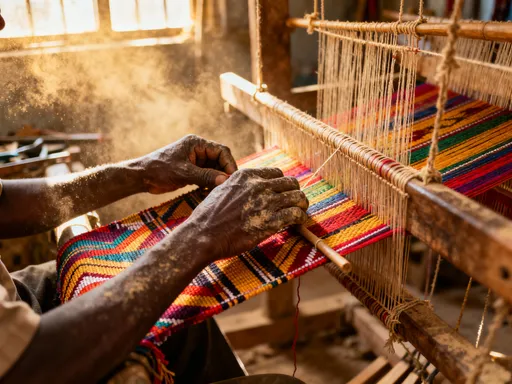
Another standout experience is visiting community-run craft centers, such as those near Lake Manyara or within the Mto wa Mbu village complex. These hubs function as both workshops and retail spaces, allowing visitors to watch artisans at work—beaders stringing tiny glass beads with astonishing precision, woodcarvers shaping ebony into stylized animals, weavers guiding threads into intricate patterns. Some centers even offer short demonstrations or hands-on introductions to basic techniques, deepening the sense of connection between maker and buyer.
Increasingly, fair-trade and eco-conscious initiatives are shaping the landscape of souvenir shopping in northern Tanzania. Organizations like the Tanzania Fair Trade Advocacy Coalition support small producers in accessing ethical markets, ensuring that craftsmanship is valued fairly. Travelers can look for certifications or simply ask guides about which shops prioritize community benefit. Eco-friendly options abound, including recycled paper notebooks adorned with local art, organic cotton tote bags, and sustainable wood carvings sourced from non-endangered tree species. Choosing these items means supporting not only people but also the environment they depend on.
What to Buy: Meaningful Souvenirs from Tanzania
When shopping in the Serengeti region, certain items stand out not only for their beauty but for their cultural resonance. Among the most cherished are kanga fabrics—lightweight cotton wraps printed with bold patterns and often bearing Swahili proverbs. These are worn daily by Tanzanian women and gifted during ceremonies, making them deeply embedded in social life. A kanga might carry messages like “Mwalimu ni bahari” (“A teacher is an ocean”), offering wisdom with every fold. As souvenirs, they are versatile—usable as scarves, wall hangings, or even framed art—and serve as lasting reminders of Tanzania’s rich linguistic and textile traditions.
Equally iconic are Maasai beadworks, which range from delicate earrings to elaborate headdresses. Each piece is handcrafted using techniques passed down through generations. The colors and patterns are not arbitrary; they communicate age, social status, and even marital intentions within Maasai society. For example, a multi-layered necklace with concentric circles of red and white beads might signify a woman’s transition into elderhood. When purchasing beadwork, it’s meaningful to learn the story behind the design, which many artisans are happy to share if approached with respect and curiosity.
Wooden carvings are another popular category, often depicting native animals such as elephants, lions, or giraffes. Crafted from sustainable hardwoods like mpingo (African blackwood) or muhuhu, these sculptures blend naturalism with stylization, capturing the spirit of the savannah in solid form. While smaller carvings make practical souvenirs, larger pieces can become focal points in home decor, serving as conversation starters about African wildlife and artistry. It’s important to ensure that these items are made from legally sourced wood and do not involve protected species—a concern that reputable shops and guides can help address.
Pricing for these items varies, but travelers should aim to pay fairly without overpaying. A simple beaded bracelet might cost between $5 and $10 when purchased directly from the artisan, while a large handwoven basket could range from $20 to $40 depending on complexity. Wooden carvings start around $15 for small animal figures and can go up to $100 or more for detailed, large-scale works. These prices reflect real labor and material costs, and paying them supports sustainable livelihoods. Bargaining is common in informal settings, but it should be done gently and respectfully—never to the point of undermining the seller’s dignity or income needs.
Packing and caring for handmade goods also requires attention. Fabrics like kanga should be folded neatly and stored in protective wrapping to prevent creasing. Beadwork benefits from being stored flat or hung to avoid tangling. Wooden items should be kept in moderate humidity to prevent cracking, especially when transitioning from tropical climates to drier ones. By treating these items with care, travelers honor the effort that went into creating them and ensure their longevity as cherished keepsakes.
How to Shop Responsibly and Respectfully
Shopping in the Serengeti region is not merely a transaction—it is an act of cultural exchange that carries ethical weight. To ensure that this exchange is positive and reciprocal, travelers must approach it with mindfulness and respect. One of the most important principles is fair pricing. While it may be tempting to drive prices down through aggressive haggling, doing so risks devaluing the skill and time invested in handmade crafts. Many artisans spend hours, even days, perfecting a single piece. Paying a fair price acknowledges their expertise and supports their ability to continue their work.
Cultural etiquette also plays a crucial role. Before taking photographs of vendors or their stalls, it is essential to ask for permission. A simple smile and gesture, or the phrase “Nikibaruku kuchukua picha?” (“May I take a photo?”), goes a long way in building trust and showing respect. Some artisans may welcome photos, especially if they see it as a form of recognition; others may prefer privacy. Honoring these preferences strengthens the dignity of the interaction.
Supporting women-led cooperatives and community-based tourism projects is another powerful way to shop responsibly. In many Maasai communities, women’s groups have taken the lead in organizing craft production and sales, using the income to fund education, healthcare, and clean water initiatives. By directing purchases toward these groups, travelers contribute directly to gender equity and community development. Guides and lodge staff can often recommend which cooperatives are active and transparent in their operations.
Conscious consumerism has a ripple effect. When travelers choose authenticity over convenience, fairness over frugality, and connection over collection, they help sustain cultural traditions that might otherwise fade under pressure from globalized markets. Every purchase becomes a vote—for dignity, for sustainability, for heritage. In this way, souvenirs transcend their material form and become symbols of solidarity.
Beyond the Purchase: The Stories Behind the Items
The true value of a handmade souvenir lies not in its price tag but in the story it carries. Consider the experience of meeting Mama Neema, a Maasai beader in a village near Ngorongoro. Seated beneath a thatched roof, her fingers moved swiftly as she strung tiny beads onto fine wire, forming a spiral pattern that represented the unity of her clan. Through a translator, she shared that she began beading as a child, learning from her grandmother, and now teaches the craft to her daughters. Her work, sold at a local cooperative, helps pay for her youngest child’s school supplies. When a traveler buys one of her pieces, they aren’t just acquiring jewelry—they’re carrying forward a legacy.
Or take the weaving collective in Mto wa Mbu, where a group of women gather weekly to create baskets from dried sisal and natural dyes. Each basket takes nearly a week to complete, with patterns inspired by the landscape—waves for the nearby lake, zigzags for lightning, concentric circles for the sun. One weaver explained that the process is meditative, a time to share news, sing songs, and pass down oral histories. To own one of these baskets is to hold a fragment of that shared time, that collective spirit.
These narratives deepen the travel experience, transforming sightseeing into storytelling. When you return home with a beaded necklace or a handwoven mat, you have more than an object—you have a memory, a relationship, a piece of another life. And when you tell others about it, you amplify voices that are often unheard. The invitation, then, is simple: ask questions. Learn names. Listen to stories. A brief conversation can leave a lasting imprint on both giver and receiver.
Practical Tips for Travelers: When, Where, and How to Shop
Timing and preparation can greatly enhance the shopping experience in the Serengeti region. The best time to visit local markets is during daylight hours, typically between 9 a.m. and 4 p.m., when artisans are most active and lighting is optimal for appreciating colors and details. Many travelers incorporate market visits into their safari itineraries, scheduling stops in villages like Mto wa Mbu or Karatu between game drives. This not only breaks up long drives but also adds cultural depth to the journey.
Transportation to shopping hubs is usually arranged through safari operators or lodge staff. Most camps provide vehicles and knowledgeable guides who can navigate local roads and facilitate introductions. For independent travelers, hiring a local driver familiar with the area is advisable, as signage may be limited and routes unmarked. Some eco-lodges also organize guided cultural walks or craft village tours, offering structured yet authentic opportunities to engage.
Cash remains the primary mode of payment in most informal markets and small shops. While larger lodges may accept credit cards, it’s wise to carry sufficient Tanzanian shillings in small denominations. Having change on hand—coins and low-value bills—makes transactions smoother and shows consideration for vendors who may not have access to banks. U.S. dollars in excellent condition are sometimes accepted, but local currency is preferred and more widely usable.
Verifying authenticity without offending sellers requires tact. Instead of questioning an item’s origin directly, travelers can express interest in the making process: “Did you create this yourself?” or “How long did it take to make?” Most artisans are proud of their work and eager to share details. Look for slight imperfections—uneven stitching, minor color variations—as signs of handcrafting, whereas machine-made imports often appear too uniform. Items sold through cooperatives or fair-trade partners are more likely to be genuine, and staff can provide background on sourcing.
Conclusion: Shopping with Purpose in the Wild
Shopping in the Serengeti is not an afterthought to the safari experience—it is an integral part of it. Beyond the roar of lions and the grace of giraffes, there is another kind of wonder unfolding in the quiet hands of artisans, in the vibrant threads of kanga, in the patient rhythm of beadwork. This is tourism with heart, where every purchase becomes a gesture of respect, connection, and continuity. The souvenirs we bring home are not mere trinkets; they are vessels of culture, carrying the spirit of the land and its people across oceans and time zones.
To shop in the Serengeti is to engage mindfully, to see beauty not as commodity but as legacy. It is to leave not just footprints in the dust, but positive ripples in communities. As travelers, we have the privilege—and responsibility—to choose how we interact with the places we visit. By supporting local craftspeople, honoring traditions, and valuing authenticity, we help preserve a way of life that enriches us all.
And when you unfold that kanga in your living room, or place a beaded bracelet on your wrist, you won’t just remember the Serengeti—you’ll carry it with you. Not as a distant memory, but as a living thread, woven into the fabric of your everyday life. That is the true magic of shopping with soul.