This Is What Happens When You Walk Into Santiago de Compostela at Dawn
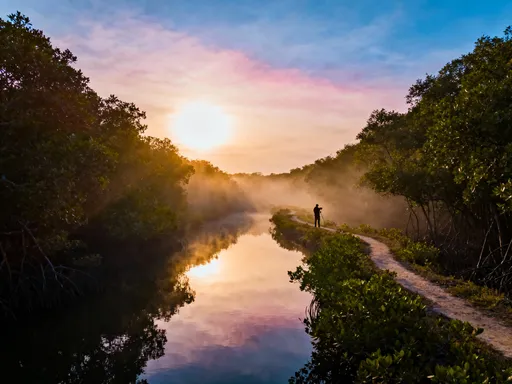
You know that feeling when a place just gets you? That’s Santiago de Compostela at sunrise—quiet cobblestones, golden light spilling over ancient stone, and the hum of centuries-old energy. I didn’t expect to be moved, but walking into the city after days on the Camino hit different. This isn’t just a destination; it’s a living story. The air carries whispers of pilgrims past, and every step echoes with purpose. In those early hours, the city feels like a sanctuary rediscovered. There are no crowds, no distractions—just the soft crunch of footsteps and the distant chime of cathedral bells. It’s in these moments that Santiago reveals itself not as a dot on a map, but as a feeling etched into your soul. This is what happens when you arrive at dawn: the world slows, and you finally hear yourself think.
Arriving Like a Pilgrim: The First Step Into the Old City
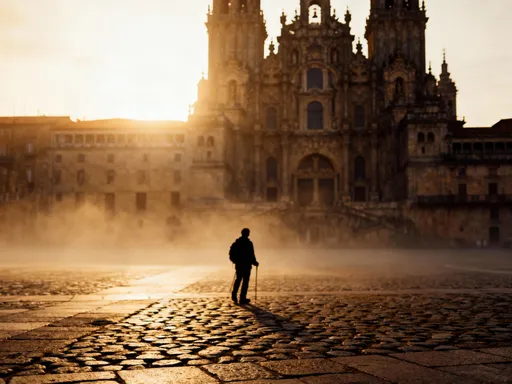
Entering Santiago de Compostela through its ancient stone gates at daybreak is an experience that transcends tourism—it becomes ritual. For those completing the Camino de Santiago, whether after 100 kilometers or over a thousand, the final approach into the city is layered with anticipation, fatigue, and quiet triumph. The last few kilometers, marked by stone markers and the occasional shell symbol, guide pilgrims like a whispered promise. As the city rises from the mist, its spires catching the first blush of morning light, the emotional weight settles in. This is not just an arrival; it’s a culmination.
The Praza do Obradoiro, the grand square before the cathedral, remains largely empty in the early hours. Without the midday crowds, the space feels sacred. The cathedral’s façade, a masterpiece of Baroque and Gothic architecture, glows under the soft sunrise. The contrast between shadow and light plays across its carvings, revealing saints, apostles, and celestial figures in dramatic relief. It’s here, standing before this monumental structure, that many pilgrims pause—some kneel, others weep, most simply stand in awe. The silence is not empty; it’s full of presence, of history, of personal journeys completed.
Timing is everything. Arriving at dawn ensures solitude, a rare gift in one of Europe’s most visited pilgrimage sites. Sunrise in Santiago varies by season, but between May and September, the ideal window is between 6:30 and 7:30 a.m. This allows enough light to appreciate the architecture while avoiding the tour groups that begin arriving by 9 a.m. Pilgrims completing the final leg from Monte do Gozo often time their walk to coincide with morning light, a symbolic gesture aligning physical arrival with spiritual awakening.
Practical preparation enhances the experience. Wear comfortable walking shoes, even for the last stretch—Santiago’s cobbled streets are unforgiving. Carry a light backpack with water, a small snack, and your pilgrim’s credential (the document stamped along the route), which you’ll need to present at the Pilgrim’s Office. Dress in layers; mornings can be cool, especially in spring and autumn. Most importantly, allow time to simply be. Resist the urge to rush to the cathedral or check into accommodation immediately. Let the moment breathe. Sit on the steps of the Obradoiro, close your eyes, and listen—to your breath, to the distant footsteps, to the city waking up. This is where the journey shifts from movement to reflection.
Wander Without a Map: Getting Lost in the Medieval Maze
Santiago’s historic center is not designed for efficiency—it’s built for discovery. Its labyrinthine streets, paved with uneven granite and flanked by centuries-old buildings, invite wandering. There are no grids here, no predictable patterns. Instead, narrow alleys open into quiet plazas, staircases appear unexpectedly, and doorways lead to hidden courtyards. To navigate with a map is to miss the point. The true essence of Santiago reveals itself not through destinations, but through detours.
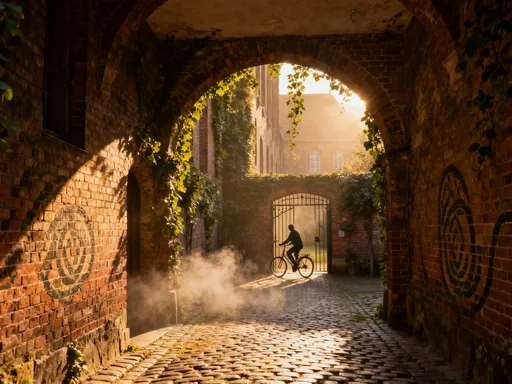
One morning, I turned down a side street simply because sunlight poured into it like liquid gold. That unplanned turn led me to Praza de Fonseca, a small square dominated by a 16th-century palace with a serene cloister. A single bench sat beneath an arch, occupied by an elderly man reading a newspaper. No signs, no crowds—just quiet dignity. Moments like these are abundant if you let go of the need to see everything. The act of getting lost becomes a form of mindfulness, a way to slow down and truly observe.
The city’s architecture tells a layered story. Romanesque foundations support Baroque façades; Gothic arches frame modern shopfronts. Many buildings rise five or six stories, their upper floors marked by wooden balconies filled with geraniums in summer. The scent of baking bread often drifts from open doorways, leading to small panaderías where locals queue for crusty loaves and sweet pastries. The sound of gaitas—Galician bagpipes—sometimes echoes from a street performer near Rúa do Franco, adding a haunting melody to the morning air.
To wander without a map is to practice presence. Put the phone away. Notice the texture of the stone under your fingers, the way shadows shift as the sun climbs, the laughter spilling from a café doorway. Let curiosity guide you. Duck into a quiet courtyard like the one behind the Hostal dos Reis Católicos, where ivy climbs the walls and a fountain trickles softly. Stop for a café con leche at a standing bar where no one speaks English, and gesture toward what the person ahead ordered. These are not tourist experiences—they are human ones. And in a world that increasingly prioritizes speed and efficiency, Santiago offers something rare: the permission to wander, to wonder, to simply be.
The Cathedral After Dark: A Different Kind of Pilgrimage
By night, the cathedral transforms. Floodlit against the dark sky, its spires seem to reach beyond the earthly realm. The Praza do Obradoiro, quiet in the morning, becomes a gathering place—locals strolling, students laughing, visitors pausing with cameras. Yet even in this livelier atmosphere, a sense of reverence lingers. The cathedral does not lose its sanctity after sunset; it deepens it, revealing a different dimension of its spirit.
The Pórtico da Gloria, the magnificent 12th-century entrance sculpted by Master Mateo, takes on a mystical quality under low lighting. The figures of prophets and apostles seem to emerge from the stone, their expressions more vivid in the play of light and shadow. At night, you can stand closer, study the details—the folds of a robe, the curve of a hand—without the press of daytime crowds. It’s a reminder that this was never just a monument; it was built to inspire awe, to draw the soul upward.
On certain days, particularly feast days and during the summer months, the botafumeiro—the enormous thurible that swings from the cathedral’s dome—is in motion. When lit, it arcs across the transept at high speed, trailing clouds of incense. The ritual, dating back centuries, is both theatrical and deeply spiritual. The scent of frankincense fills the air, transporting visitors across time. Even when the botafumeiro is not active, the cathedral’s interior retains a hushed solemnity. Candles flicker before side altars, and the occasional chant echoes from a distant chapel.
For a peaceful evening visit, aim for weekday evenings between 7:00 and 8:30 p.m. The cathedral remains open to visitors, though access to certain areas may be limited during services. Photography is allowed, but flash is prohibited out of respect. The best vantage points for exterior photos are from the upper levels of the Hostal dos Reis Católicos or from Rúa do Vilar, where you can capture the full façade with minimal obstructions. Avoid weekends if possible, as evening masses and events draw larger crowds. Most importantly, move slowly. Let the atmosphere settle over you. This is not a sight to check off a list—it’s a space to inhabit, to feel.
Savoring the Local Pulse: Markets, Tascas, and Galician Flavors
No visit to Santiago is complete without engaging its culinary soul. At the heart of this is the Mercado de Abastos, a vibrant covered market that has served the city since the 1940s. Unlike sanitized tourist markets, this is where locals shop—fishermen unloading the morning’s catch, farmers arranging heirloom tomatoes, cheesemongers slicing samples of queixo (Galician cheese). The air is thick with the scent of brine, garlic, and fresh herbs. It’s not just a place to buy food; it’s a living expression of Galician culture.
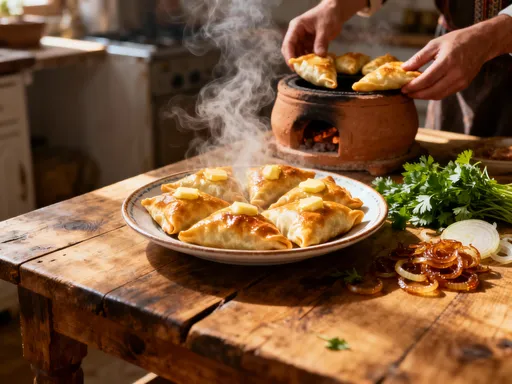
Among the must-try dishes is pulpo á feira—tender octopus boiled and served on wooden plates, sprinkled with paprika, coarse salt, and drizzled with olive oil. It’s traditionally eaten with bread and washed down with a glass of young red wine, often tinto de verano (red wine with soda and a slice of lemon). Another staple is empanada, a savory pie filled with tuna, cod, or pork, its flaky crust a testament to generations of home baking. For dessert, try tarta de Santiago—a dense almond cake dusted with powdered sugar in the shape of the Cross of Saint James.
The best way to experience these flavors is in a tasca, a small, informal eatery where standing at the bar is the norm. One memorable afternoon, I found myself at A Curtidoría, a cozy spot tucked away on Rúa da Conga. I ordered pulpo by pointing at someone else’s plate, and the server smiled as she handed me a glass of albariño, a crisp white wine from the Rías Baixas region. We exchanged a few words—my broken Spanish, her patient corrections—and for a few minutes, I wasn’t a visitor. I was part of the rhythm of the place.
To eat like a local, follow a few simple rules. Arrive early for lunch (1:00–2:00 p.m.) or late for dinner (9:00 p.m. or later). Don’t expect extensive English menus—pointing and smiling go a long way. Ask for the menú del día (menu of the day), a fixed-price meal that often includes a starter, main course, drink, and dessert for under €15. Be open to off-menu items; many of the best dishes aren’t listed. And don’t rush. Meals in Galicia are social events, meant to be lingered over. Whether you’re sharing a plate of mejillones (mussels) with a friend or sipping coffee after a long walk, the act of eating becomes connection.
Beyond the Cathedral: Hidden Courtyards and Secret Corners
While the cathedral commands attention, Santiago’s quieter spaces offer balance. These are the places where the city exhales, where history feels intimate rather than monumental. One such place is the Claustro de San Payo, a Romanesque cloister tucked behind the cathedral’s northern façade. With its rounded arches and intricately carved capitals, it feels like stepping into a medieval manuscript. Benches line the walkway, inviting contemplation. Few tourists linger here, making it an ideal spot for solitude.
Another sanctuary is the garden of San Martiño Pinario, once part of a Benedictine monastery and now part of a university campus. The garden is not widely advertised, but it’s accessible to the public during daylight hours. Stone pathways wind through boxwood hedges, fountains, and shaded benches. In the early morning, students read under trees; by midday, the space is dappled with sunlight. The contrast with the bustling Praza do Obradoiro is striking—this is a place of study and stillness, a reminder that Santiago has always been a center of learning as well as faith.
For a panoramic view, Monte do Gozo (Hill of Joy) remains one of the most emotionally resonant sites. It’s here that pilgrims first catch sight of the cathedral spires after weeks of walking. The modern visitor center includes an orientation space and a sculpture garden, but the real power lies in the view itself. On a clear morning, the city unfolds below, mist curling around its rooftops. It’s a moment of perspective—both literal and metaphorical. Whether you’ve walked the Camino or not, standing here evokes a sense of arrival, of having reached something meaningful.
These hidden corners are not alternatives to the main sights; they are complements. They offer breathing room, a chance to reflect on what you’ve seen and felt. Visit them early in the day, when light is soft and crowds are absent. Carry a small notebook—many find themselves writing, sketching, or simply sitting in silence. In a city so rich with history, the quiet moments often leave the deepest impressions.
Walking the Camino’s Echo: Day Trips and Short Pilgrimages
The journey doesn’t have to end in Santiago. For those seeking to extend the experience, several day trips offer a continuation of the Camino’s spirit. One of the most meaningful is the route to Fisterra (Finisterre), once believed to be the edge of the world. The 90-kilometer walk from Santiago takes about four to five days, winding through coastal villages, pine forests, and rugged cliffs. The destination—a lighthouse perched above the Atlantic—is a powerful symbol of completion. Many pilgrims burn their clothes or write letters to release their past, watching the flames dance against the sunset.
Another option is Muxía, a small fishing village about 80 kilometers from Santiago. Known for its Sanctuary of the Virgin of the Boat, it’s a place of maritime pilgrimage and quiet resilience. The landscape here is raw—rocky shores, crashing waves, wind-swept grass. It feels elemental, untouched by time. Pilgrims come to honor the Virgin, to leave stones as offerings, or simply to stand where land meets ocean and feel small in the best way.
For those with limited time, walking the last 100 kilometers of the Camino Francés is a practical way to earn the compostela, the official certificate awarded to pilgrims who complete the final stretch. Starting from Sarria, the route passes through charming towns like Portomarín, Palas de Rei, and Arzúa. Daily distances range from 20 to 25 kilometers, manageable for most with moderate fitness. Public buses and trains connect these towns, making it easy to adjust the pace.
Regardless of the route, preparation matters. Pack light: a small backpack with water, snacks, rain gear, and comfortable shoes. Download offline maps or carry a guidebook. Stay in albergues (pilgrim hostels) for authenticity, or opt for rural guesthouses for more comfort. Most importantly, walk with intention. This is not a race. Pause to talk to fellow travelers, to admire a field of sunflowers, to rest under an oak tree. The Camino teaches that the path itself is the destination. And even after Santiago, that lesson continues.
Carrying Santiago Home: How the City Stays With You
Santiago de Compostela does not let go easily. Long after the cobblestones fade from memory, its presence lingers—in the way you pause before speaking, in the value you place on quiet, in the renewed sense of direction. The city becomes a reference point, a marker of who you were and who you’re becoming. It’s not just that you visited a historic site; it’s that you were changed by the act of arriving, of being present, of moving slowly through a world that rarely encourages slowness.
The blend of history, spirituality, and human connection reshapes perspective. You begin to notice the pilgrims in everyday life—the person enduring hardship with grace, the stranger who offers help without being asked, the quiet moment of beauty hidden in a routine day. Santiago teaches you to recognize these as sacred too. It expands your definition of what matters.
Integrating the experience doesn’t require grand gestures. Keep a journal of your memories—the taste of pulpo, the sound of gaitas, the first sight of the cathedral. Share stories with friends, not as travel tales, but as reflections on what you learned. Frame a photo from Monte do Gozo and place it where you’ll see it daily. Or plan a return—not just to Santiago, but to the mindset it inspired: one of openness, humility, and wonder.
And perhaps, most importantly, carry the Camino into your daily life. Walk with purpose, even if it’s just to the market. Listen deeply. Choose presence over productivity. Let the rhythm of your footsteps remind you that every journey, no matter how small, has meaning. Santiago is not just a place on a map. It’s a state of being. And when you walk into it at dawn, you don’t just find the city—you find yourself.