You Won’t Believe How Alive Luanda Feels During Festival Season
If you’ve ever wondered what pure cultural energy looks like, Luanda throws you right into it during festival season. The streets pulse with rhythm, colors explode around every corner, and strangers dance like old friends. I’ve traveled many places, but nothing prepared me for the soul-deep warmth of Angolan celebration. This isn’t just performance — it’s life, lived loudly and proudly.
The Heartbeat of Luanda: Understanding Festival Culture
Luanda’s festival culture is not an event — it is a living expression of identity, history, and community. Rooted deeply in Angolan traditions, these celebrations are more than entertainment; they are acts of remembrance, resilience, and joy. For generations, festivals have served as spaces where oral histories are passed down, spiritual connections are honored, and the collective spirit of the people is renewed. Whether honoring religious milestones, national holidays, or seasonal changes, each festival reflects a unique blend of indigenous customs, colonial influences, and modern creativity. This fusion gives Luanda’s celebrations their dynamic character — deeply traditional yet constantly evolving.
What sets Luanda apart is how seamlessly festivals integrate into daily life. Unlike staged performances designed solely for tourists, these events emerge organically from neighborhoods, churches, and community centers. They are open to all — children dancing barefoot in the dust, elders swaying under shade trees, vendors calling out over the music. The city does not shut down for festivals; it wakes up. The rhythm becomes the city’s breath, the music its voice. Visitors who come during this time do not watch from the sidelines — they are gently pulled into the circle, invited not as spectators but as participants.
Festival season also marks a time of reconnection. Many Angolans living abroad return home to celebrate with family, turning the capital into a vibrant mosaic of accents, styles, and stories. This homecoming strengthens cultural continuity and reinforces a shared sense of belonging. It is during these weeks that Luanda feels most itself — confident, expressive, and unapologetically alive. For travelers seeking authenticity, there is no better window into the Angolan soul than festival season.
Carnival Like Nowhere Else: Luanda’s Largest Celebration
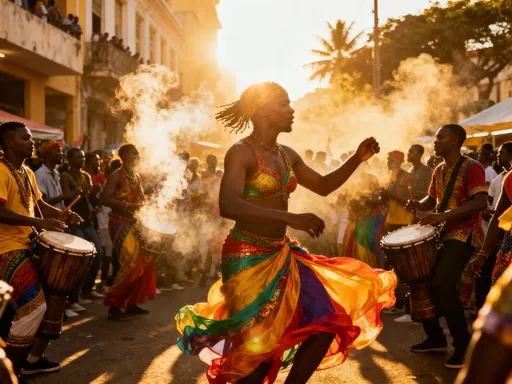
No festival captures the spirit of Luanda quite like Carnival. While many cities around the world host Carnival events, Luanda’s version carries a distinct energy — one shaped by African rhythms, Portuguese influences, and decades of creative reinvention. Held annually in the weeks leading up to Lent, the city transforms into a pulsing canvas of music, color, and movement. Parades wind through downtown streets, led by elaborately decorated floats, drumming troupes, and dancers clad in shimmering costumes that catch the sun like flames.
The heart of Carnival beats strongest in neighborhoods like Sambizanga and Viana, where local samba schools and cultural associations spend months preparing. Rehearsals begin weeks in advance, with dancers perfecting choreography, tailors stitching sequined outfits, and musicians refining their rhythms. When the day arrives, the entire community turns out — not just to watch, but to join. There are no grandstands or VIP zones; everyone dances together, young and old, rich and poor, local and visitor. The atmosphere is electric, yet welcoming — a rare blend of high energy and deep warmth.
Music drives the celebration. Samba de Luanda, a local variation of Brazilian samba infused with Angolan beats, sets the pace. But it’s not just about imitation — it’s about transformation. The rhythm is faster, the steps more grounded, the lyrics often infused with social commentary or humor. Singers call out to the crowd, who respond with cheers and claps, turning each performance into a conversation. Street parties, known locally as festas de rua, erupt spontaneously, fueled by portable speakers, homemade snacks, and an endless supply of energy.
What makes Luanda’s Carnival truly unique is its inclusivity. There are no strict rules, no formal tickets, no barriers to entry. If you’re on the street and the music starts, you’re part of it. Children twirl in handmade costumes, teenagers show off their latest dance moves, and grandparents smile from balconies, tapping their feet in time. It’s a celebration that belongs to the people, and that sense of ownership gives it an authenticity that few other Carnivals can match.
Music as a Living Language: Kizomba, Semba, and the Soundtrack of the Streets
In Luanda, music is not background noise — it is a language, a history, a way of being. During festival season, the city becomes a vast open-air concert, where every corner offers a new melody, a new rhythm, a new story. At the center of this soundscape are two genres that define Angolan identity: Semba and Kizomba. Both are danced as much as they are heard, their movements as expressive as the lyrics themselves.
Semba, often considered the grandfather of Angolan music, dates back to the early 20th century. It blends African polyrhythms with Portuguese melodies, creating a sound that is both lively and deeply soulful. The word “semba” refers to a traditional dance move — a touch of bellies — that symbolizes connection, intimacy, and respect. Historically, Semba songs carried coded messages, offering commentary on social issues, love, and resistance. Today, it remains a staple of festivals, played at weddings, street parties, and cultural events. Live bands often perform in open plazas, drawing crowds into spontaneous dance circles that last late into the night.
Kizomba, which emerged in the 1980s, is slower, smoother, and more sensual. Its name means “party” in Kimbundu, and it reflects a more modern Angolan identity — one shaped by urban life, romance, and global influences. The dance is intimate, with partners moving in close harmony, guided by subtle shifts in weight and rhythm. During festival season, Kizomba fills dance halls, beachside clubs, and even parking lots turned impromptu ballrooms. DJs spin both classic and contemporary tracks, blending Angolan beats with zouk, R&B, and electronic music.
But the magic of Luanda’s music scene isn’t limited to formal performances. In back alleys and courtyards, neighbors gather for informal jam sessions, where guitars, drums, and voices come together without rehearsal or script. These moments are often the most powerful — raw, unfiltered, and full of joy. For visitors, joining one of these gatherings is a rare privilege, a chance to experience music not as a product, but as a living, breathing force.
Taste of Tradition: Festival Food That Tells a Story
No festival in Luanda is complete without food — and not just any food, but dishes that carry generations of flavor, memory, and meaning. During celebration season, the air fills with the scent of grilled meats, simmering stews, and sweet coconut treats. Street vendors set up makeshift stalls, families cook in communal courtyards, and restaurants offer special festival menus that bring people together around shared tables.
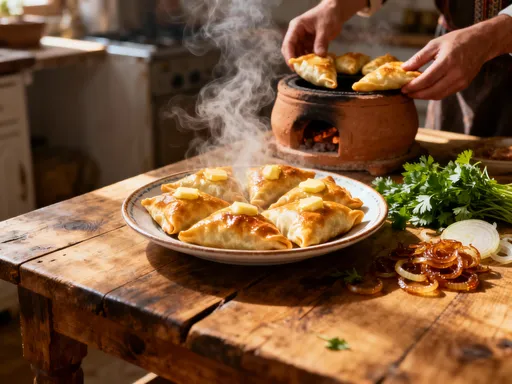
One of the most iconic dishes is muamba de galinha, a rich stew made with chicken, palm oil, garlic, and okra. Served with funge — a smooth, dough-like side made from cassava or cornmeal — it is a staple at nearly every major celebration. The deep red color of the muamba comes from palm oil, a key ingredient in Angolan cuisine that also symbolizes life and vitality. Eating it during a festival is not just about nourishment; it is an act of cultural connection, linking the present to ancestral traditions.
Another favorite is piri-piri chicken, marinated in a spicy chili sauce and grilled over open flames. The aroma alone draws people in, and the combination of heat and smokiness makes it a perfect street food. Vendors often serve it with fried plantains or rice, creating a balanced, satisfying meal that fuels hours of dancing. For dessert, cocada — sweet coconut candies in white, yellow, or pink — are passed around like treats at a birthday party. Made with shredded coconut, sugar, and sometimes condensed milk, they are simple but deeply nostalgic for many Angolans.
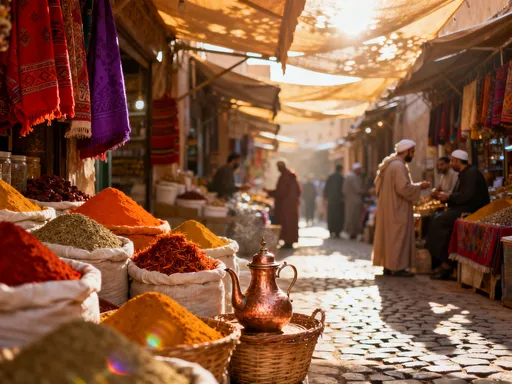
Markets like Mercado do Roque Santeiro come alive during festival season, transforming into sensory feasts. Stalls overflow with fresh fruit, spices, handmade breads, and regional specialties. It’s common to see elders teaching younger family members how to choose the best ingredients or prepare traditional dishes. For visitors, exploring these markets offers more than just a meal — it offers insight into the rhythms of daily life and the importance of food in building community.
Where to Be and When: Navigating Festival Season Like a Local
Timing is everything when visiting Luanda during festival season. The peak months are typically between January and March, when Carnival and several religious festivals take place. Planning ahead is essential, especially for accommodations. Hotels in the city center and along the Marginal — the scenic waterfront road — fill up quickly, often booking out months in advance. Travelers who prefer a more authentic experience might consider staying in family-run guesthouses in neighborhoods like Maianga or Ingombota, where they can be closer to local festivities without the tourist crowds.
Getting around during major events requires flexibility. Public transportation can be limited, and road closures are common during parades and large gatherings. Walking is often the best option, especially in central areas where most celebrations occur. The city is more walkable than many realize, and strolling through festival-decorated streets offers countless spontaneous moments — a child handing you a handmade mask, a musician inviting you to clap along, a vendor offering a sample of hot broa (cornbread).
For a deeper experience, consider joining a local cultural association or community group during the festivities. Many welcome visitors who show genuine interest and respect. Some even offer short dance or cooking workshops, allowing guests to learn directly from Angolan hosts. These interactions go beyond tourism — they build bridges, foster understanding, and create lasting memories.
It’s also wise to stay informed about event schedules. While some festivals follow fixed dates, others are announced closer to the time. Checking with local tourism offices, community centers, or trusted guides can help ensure you don’t miss key moments. And while spontaneity is part of the charm, a little preparation ensures you can fully enjoy the celebration without unnecessary stress.
Beyond the Party: The Deeper Meaning Behind the Dance
At first glance, Luanda’s festivals may appear as pure celebration — a burst of color, sound, and movement. But beneath the surface lies a deeper significance. These events are not just about joy; they are about survival, identity, and unity. Throughout Angola’s history, particularly during periods of conflict and hardship, festivals served as spaces of resistance and resilience. When words were dangerous, music and dance became a way to speak truth, preserve culture, and maintain hope.
Even today, festivals carry this legacy. They are acts of remembrance — honoring ancestors, celebrating independence, and affirming national pride. The rhythms of Semba and Kizomba are not just entertainment; they are archives of memory, encoding stories of love, loss, struggle, and triumph. When a community gathers to dance, they are not only celebrating the present — they are reconnecting with the past and shaping the future.
Festivals also play a vital role in social cohesion. In a country still healing from decades of war, these celebrations bring people together across ethnic, regional, and economic lines. On the dance floor, differences fade. What matters is the shared rhythm, the common language of movement and music. This sense of unity is especially powerful during national holidays like Independence Day, when the entire country pauses to reflect and rejoice.
For younger generations, festivals are a way to claim their heritage. As global influences grow, these celebrations offer a space to explore what it means to be Angolan — not just through textbooks or speeches, but through lived experience. They learn the steps of traditional dances, taste the flavors of ancestral recipes, and hear the stories behind the songs. In doing so, they become not just observers, but custodians of culture.
How to Experience It Right: Respect, Participate, Remember
Visiting Luanda during festival season is a privilege, and with it comes responsibility. The best way to honor the culture is through respectful engagement. This begins with simple gestures — dressing modestly, learning a few words in Portuguese or Kimbundu, and always asking before taking photographs. Many moments during festivals are deeply personal, and showing courtesy ensures you are welcomed, not merely tolerated.
Participation is encouraged, but it should come from a place of humility and openness. If someone invites you to dance, accept with gratitude. If offered food, try it with appreciation. These acts of connection are often more meaningful than any sightseeing. But avoid mimicking traditions you don’t understand or treating sacred moments as photo opportunities. The goal is not to perform Angolan culture, but to experience it with sincerity.
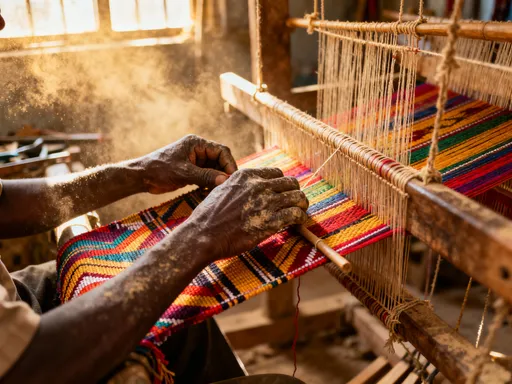
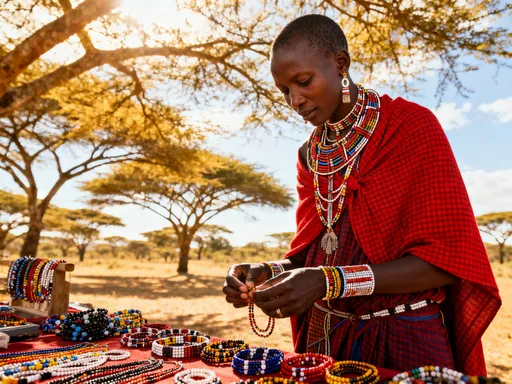
It’s also important to support local communities. Buy crafts directly from artisans, eat at family-run stalls, and hire local guides when possible. These choices ensure that tourism benefits the people who make the culture thrive. And while souvenirs are nice, the most valuable keepsakes are the memories — the sound of drums at sunset, the taste of warm funge, the feeling of being part of something greater than yourself.
Finally, carry the experience with you. Share stories, not stereotypes. Speak of Luanda not as an exotic destination, but as a vibrant, complex city with a rich cultural life. When you return home, let the rhythm stay with you — in the music you play, the recipes you try, the way you welcome others into your own circle.
Luanda’s festival culture isn’t something you just see — it’s something you live. It’s in the drumbeats that echo through memory, the shared laughter over street food, and the hand of a stranger pulling you into the dance. To visit during festival season is to witness a city breathing its truth. And once you’ve felt it, you’ll carry that rhythm with you forever.