From Overwhelmed to in Control: How Simple Apps Quiet the Chaos of Daily Life
You know that moment—standing in the kitchen, phone buzzing, kids asking questions, dinner burning, and you can’t remember if you even ate lunch? I’ve been there. More than once. But what if the same devices making life feel louder could actually help you breathe easier? It’s not about doing more. It’s about feeling less strained. This is how small tech changes brought real calm into my busiest days.
The Breaking Point: When Digital Noise Became Too Much
Life today moves fast. Between messages, reminders, work pings, and family needs, our phones—meant to help—often leave us frazzled. I remember staring at my screen, overwhelmed, realizing I wasn’t managing my tools; they were managing me. That moment sparked a shift. Instead of chasing every new app, I started asking: Does this make my life easier or just busier? It wasn’t one big crisis that made me stop. It was the slow drip of stress—the forgotten appointments, the late-night emails, the guilt of missing a call from my sister because I was buried under a to-do list that never ended.
My phone used to feel like a demanding boss. Notifications popped up like urgent memos. I’d jump every time it buzzed, afraid I’d miss something important. But the truth? Most of it wasn’t urgent. It was just loud. And the louder it got, the more I felt like I was losing control. I’d lie in bed scrolling through messages I didn’t need to read, comparing my messy reality to the polished lives I saw online. The digital world was supposed to connect me, but instead, it was isolating me—from my family, from my peace, from myself.
One rainy Tuesday, I sat at the kitchen table with my daughter, trying to help her with homework while my phone lit up with work messages, school group chats, and social media alerts. She looked up and said, 'Mom, are you even listening?' That hit me like a quiet thunder. I was physically there, but mentally? I was scattered across five different digital conversations. That moment was my wake-up call. I realized I needed to take back my attention. Not by giving up technology, but by using it differently. I didn’t need more tools. I needed better ones—ones that served me, not the other way around.
Choosing Calm: The Mindset Shift Behind Tech That Serves You
Real change didn’t come from downloading more apps, but from changing my mindset. I stopped looking for “smart” tools and started seeking kind ones—apps that adapt to me, not the other way around. This shift wasn’t about deleting everything or going on a digital detox. It was about being intentional. I began asking myself simple questions before installing anything: Will this save me time? Will it reduce stress? Or will it just add another thing to manage? If the answer wasn’t a clear yes, I didn’t download it.
I also started setting boundaries. I turned off notifications for anything that wasn’t truly urgent. No more pings for every social media like or promotional email. I created “quiet hours” in the evening when my phone switched to grayscale automatically—a small visual cue that it was time to wind down. These weren’t strict rules, but gentle guardrails. And slowly, my relationship with technology began to change. Instead of feeling like I was always reacting, I started feeling like I was choosing.
Another big shift was accepting that I didn’t have to use every feature an app offered. I used to feel pressure to master all the bells and whistles, thinking that if I wasn’t using a tool “fully,” I was failing. But that mindset only added stress. Now, I use apps in the simplest way that works for me. If a calendar app helps me remember my son’s soccer game, that’s enough. I don’t need to color-code every minute of my day. This softer approach made tech feel less like a performance and more like support.
And here’s something I’ve learned: kindness matters, even in digital spaces. I look for apps that don’t shame me for missing a goal or falling off track. The ones that say, 'It’s okay, let’s try again tomorrow,' instead of flashing red warnings. That tone makes a difference. It’s like having a gentle friend instead of a drill sergeant in my pocket. When your tools speak to you with compassion, you start treating yourself that way too. That’s when tech stops feeling cold and starts feeling human.
Morning Moments: How a Single App Can Ground Your Entire Day
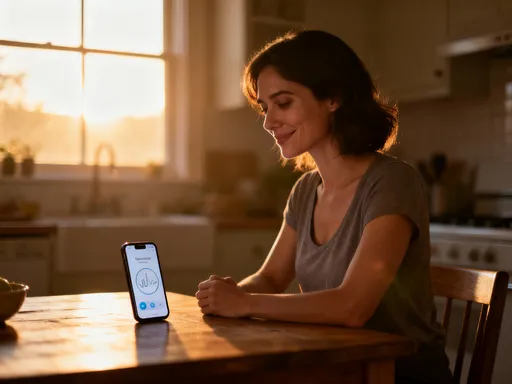
Mornings used to be chaotic—rushing, forgetting, starting stressed. I’d wake up late, scramble to get the kids ready, spill coffee, and leave the house feeling like I was already behind. Then I tried a simple routine-tracking app that didn’t demand perfection. It gently reminded me to drink water, breathe, and plan just three priorities. No guilt if I missed a step. Just a soft nudge to begin with intention.
The app I use isn’t flashy. It doesn’t track my steps or analyze my sleep. It’s just a checklist with icons—water, meditation, journaling, vitamins. I tap each one as I go, and it feels satisfying, like crossing things off a paper list, but easier to keep up with. What surprised me most was how this small ritual changed my energy. Instead of launching into the day reacting to emergencies, I started with a moment of calm. Even five minutes of quiet breathing made a difference. I noticed I was less short-tempered with the kids, more present during breakfast, and clearer about what mattered most that day.
And here’s the thing—consistency doesn’t mean perfection. Some days I skip the journaling. Some mornings I forget to open the app at all. But the app doesn’t punish me. It just waits. And the next day, it’s there again, ready to help me begin gently. That grace is what keeps me coming back. It’s not about building a perfect routine. It’s about creating a soft landing spot for your mind every morning.
I also customized the reminders to fit my real life. Instead of a harsh alarm at 6 a.m., I set a soft chime at 6:30, followed by a voice note I recorded saying, 'You’ve got this. Take a breath.' Hearing my own voice, kind and calm, helps me wake up with more ease. It’s like I’m parenting myself a little—something we often forget to do when we’re so busy caring for everyone else. That small act of self-kindness sets the tone for the whole day.
Family Flow: Shared Tools That Actually Reduce Tension
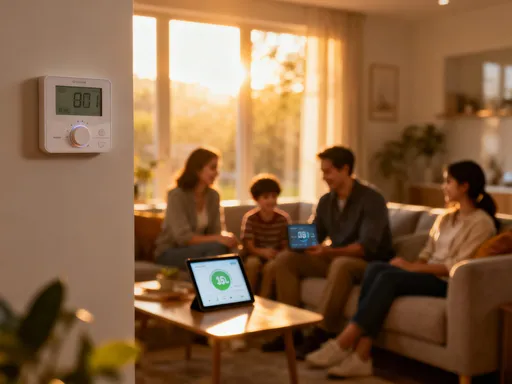
Coordinating family life felt like herding cats—until we started using a shared household app for chores and plans. No more “I didn’t know!” or “You never told me!” Before, I was the family’s unofficial manager—remembering dentist appointments, packing school lunches, tracking who needed rides. I’d write lists on the fridge, send reminders in group chats, and still end up frustrated when things fell through. The mental load was heavy, and it wasn’t fair.
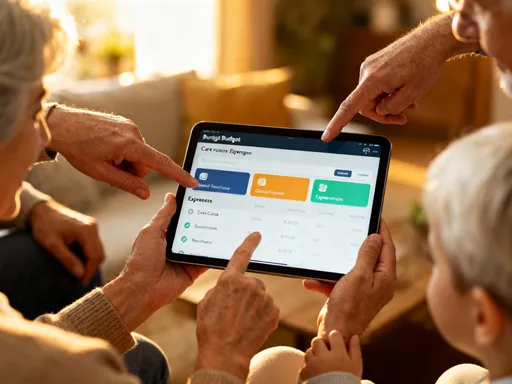
Then we adopted a simple shared calendar and task list that everyone could access. We started small—just adding school events, doctor visits, and weekend plans. Each person got a color. My daughter loves marking her dance classes in pink. My husband uses blue for work trips. Seeing everything in one place made it easier to plan ahead and support each other. But the real win was the shared chore board. We listed regular tasks—taking out the trash, loading the dishwasher, walking the dog—and assigned them by day. No nagging. No assumptions. Just a clear, visual system that kept us all accountable.
What I love is how it turned responsibility into teamwork. My son used to ignore chore requests, but now he checks the app like a game, tapping tasks when he finishes them. There’s a little celebration animation—nothing flashy, just a cheerful sound and a checkmark. But it makes him feel proud. And me? I feel lighter. I’m not the only one holding the mental map of our lives anymore. We’re building that together.
The app also has a “family moments” section where we add little notes—like “Movie night Friday!” or “Don’t forget Grandma’s call at 7.” It’s become a digital scrapbook of our rhythm. We review it every Sunday evening, sipping tea, laughing about the week’s wins and mess-ups. That 15-minute ritual has become something I look forward to—a pause in the rush, a chance to connect before the week begins again. It’s not just about organization. It’s about creating space for us.
Work-Life Edges: Apps That Protect Your Peace, Not Blur the Lines
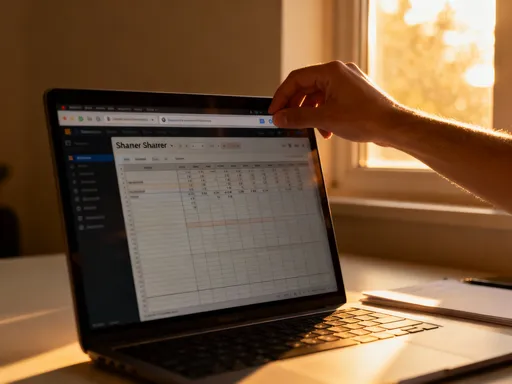
When my laptop followed me to the couch, work never really ended. I’d check emails after dinner, respond to messages during family movie night, and wake up thinking about deadlines. The boundary between “on” and “off” had disappeared. I was always available, but never truly present. That changed when I discovered apps that create soft boundaries—like automatic “focus hours” and notification filters.
I set up my email to pause notifications after 7 p.m. and on weekends. If someone needs to reach me urgently, they can still call or text. But most things can wait. At first, I felt anxious—what if I missed something important? But over time, I realized the world didn’t fall apart. In fact, my family noticed the difference. My daughter said, 'You’re not on your phone as much now.' That simple comment told me I was on the right track.
I also use a focus app that blocks distracting websites during family time. It doesn’t lock me out completely—just gently reminds me if I open social media or news sites. That pause gives me a chance to ask, 'Do I really need this right now?' Most of the time, the answer is no. These small digital rules aren’t about being rigid. They’re about creating space to breathe, to be here, to listen.
And here’s what surprised me: protecting my peace didn’t hurt my work. If anything, it helped. When I’m not mentally drained from constant switching, I’m more focused during work hours. I get more done in less time. I’m not sacrificing productivity—I’m reclaiming my energy. The goal isn’t to work less. It’s to live more. And when your evenings aren’t consumed by digital noise, you have room for what really matters—reading with your kids, cooking a meal without rushing, sitting quietly with your thoughts.
Unexpected Grace: When Tech Helps You Remember What Matters
I used to forget small but precious things—birthdays, anniversaries, even inside jokes. Not because I didn’t care, but because my brain was too full of logistics. A simple reminder app, customized with photos and voice notes, now helps me stay connected in ways that feel personal, not robotic. I set reminders for my sister’s favorite coffee day, so I can text her a photo of my cup with a sweet message. I record voice notes on my husband’s birthday months in advance, so he gets a surprise message that sounds like me, not a canned greeting.
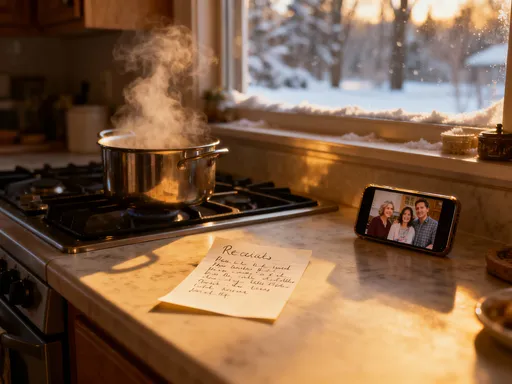
One of my favorite features is the ability to attach memories to dates. I added a photo of my mom and me baking cookies to her birthday reminder. When the alert pops up, I see her smile, and it warms my heart before I even pick up the phone. It’s not just a reminder—it’s a moment of connection. I’ve started doing this for friends too, marking their milestones with care. And they’ve noticed. One told me, 'You always remember the little things. It means so much.' I smiled, knowing the secret wasn’t my memory—it was my app.
But it’s not just about dates. I use voice memos to capture thoughts—ideas for gifts, funny things my kids say, things I want to tell my future self. Later, I listen back and smile. It’s like a digital journal of joy. In a world that often feels fast and forgetful, these small digital moments help me slow down and savor what matters. They don’t replace real connection—they deepen it.
And here’s the beautiful irony: the same technology that once made me feel distant from the people I love now helps me feel closer. When used with care, tech can be a bridge, not a barrier. It won’t replace a hug or a shared meal, but it can help you show up with more love, more often. And isn’t that what we all want?
The Quiet Upgrade: Building a Digital Life That Feels Like You
It’s not about having the latest tools. It’s about curating a digital life that feels calm, clear, and yours. This final section ties it together—how small, consistent choices add up to big shifts. The goal isn’t productivity for its own sake, but peace, presence, and the freedom to live more fully—both online and off. I didn’t transform my life overnight. It was a series of tiny tweaks—turning off a notification here, trying a new app there, setting a boundary that felt right.
What I’ve learned is that technology doesn’t have to be overwhelming. It can be gentle. It can be kind. It can be a quiet companion that helps you remember who you are and what you care about. The apps I use now aren’t perfect. But they serve me. They don’t demand my attention. They wait until I’m ready. And when I open them, they meet me with simplicity, not noise.
Building this digital life took time and honesty. I had to admit when something wasn’t working. I had to delete apps that made me feel worse, even if everyone else was using them. I had to give myself permission to use tech in a way that fit my rhythm, not someone else’s. And that freedom—to choose, to simplify, to protect my peace—is the real upgrade.
So if you’re feeling overwhelmed, I want you to know: you’re not behind. You don’t need to master every new gadget or trend. You just need a few tools that work for you. Start small. Pick one area—your mornings, your family coordination, your evening calm—and try one simple app. Be patient. Be kind to yourself. And watch how, slowly, the chaos begins to quiet.
Because you deserve to feel in control. You deserve moments of calm in the middle of the beautiful mess of family life. And you don’t have to give up your phone to find it. You just have to use it differently. When tech serves you, not the other way around, it stops being a source of stress and starts being a quiet ally in your day. And that? That’s the kind of upgrade that changes everything.